Fence Post Depth in Edmonton: How to Prevent Fence Heave
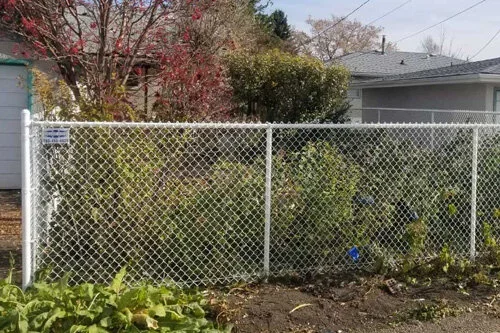
/The leaves are down, the mornings are frosty, and Edmonton’s ground is about to freeze for the next five or six months. Before it does, take a slow walk along your fence line. Is one post sitting a little higher than the others? Is the gate harder to latch than it was in summer? Does the top rail dip and rise instead of running straight?
Those are early signs of frost heave, one of the most common fence problems we see across the Edmonton area. Every winter, frozen soil can lift posts a little further out of the ground. The fix starts with the right fence post depth in Edmonton, which means setting posts below the frost line with a footing shape that frozen soil can’t grab.
What Is Frost Heave?
Frost heave is the upward push of soil that happens when water in the ground freezes and expands. As ice forms in the soil, it lifts anything sitting inside the frozen layer, including fence posts and their concrete footings. When the ground thaws, the post rarely drops back to where it started, so it rises a little more every winter.
Think of it like a slow, seasonal jack. One winter might lift a post only slightly. Five winters later, that same post can be leaning, loose, or pulling the whole fence out of line.
Why Frost Heave Is So Common in Edmonton
Edmonton winters are long, cold, and unpredictable. The ground freezes deep, and it doesn’t happen just once. Every chinook, mild spell, and spring thaw adds another round of freezing and thawing.
A few local conditions make the problem worse:
Long freeze periods: The deeper the cold reaches, the deeper the frozen layer that can grip a post.
Repeated freeze-thaw cycles: Each cycle gives the soil another chance to lift and shift your posts.
Soil that holds water: Many Edmonton-area yards have dense soil that drains slowly. More water in the ground means more expansion when it freezes.
Spring meltwater: Snow piles along fence lines melt slowly and soak the ground right where your posts sit.
Pro Tip: Avoid piling shovelled snow against your fence this winter. When it melts in spring, it soaks the soil around your posts at exactly the wrong time.
Signs Your Fence Posts Have Frost Heave Damage
Frost heave damage is easiest to spot in spring, but many signs are already visible in fall. Walk your fence line and look for:
Posts sitting higher than their neighbours. Compare post tops along the run. Even a few centimetres stand out.
Leaning posts. Corner, end and gate posts lean first because they carry the most tension.
A wavy fence line. The top rail or fabric rises and dips instead of running straight.
Gates that sag, stick or won’t latch. When a gate post moves, the gate hardware stops lining up.
Cracked or exposed concrete. If you can see the top of a footing that used to be buried, the post has moved.
Loose or sagging fabric. Shifting posts can release the tension on chain link mesh.
If your property has an automatic gate, frost movement can also affect how the operator runs. Our gate operator winter prep checklist covers what to check.
Seeing these signs on your property?
Frost damage gets worse every winter it’s left alone. Our team handles fence post repair Edmonton homeowners and businesses can count on, and every visit starts with a free on-site look. Call 780-450-6628 or book your free on-site estimate.
What Is the Right Fence Post Depth in Edmonton?
The short answer: posts must sit below the frost line, so the frozen soil can’t get a grip on them. Any post or footing that ends inside the frozen layer is a candidate for heaving.
Getting the right fence post depth in Edmonton also depends on the job each post is doing. Not every post carries the same load:
| Post Type | What It Does | Depth Guide | Footing Tip |
|---|---|---|---|
| Line posts | Hold up the fabric along the run | Below the frost line | Straight-sided footing with good drainage |
| Corner posts | Anchor tension from two directions | Deeper than line posts | Wider footing to resist pull and lift |
| End posts | Anchor tension at the end of a run | Deeper than line posts | Wider footing to resist pull and lift |
| Gate posts | Carry the weight and swing of the gate | Deepest of all posts | Widest footing; heavier pipe for large gates |